Understanding the Echo Complex
What Is the Echo Complex?
The Echo Complex is a gradual loss of self that can happen when you repeatedly change how you think, feel, and behave to cope with a relationship where you don’t feel free to be yourself.
Explore how it happens ↓A gradual change
It often begins with the desire to feel close.
It begins with something very human: wanting to feel loved, understood, and emotionally close to someone who matters deeply to you.
You try to be more patient, understanding, and accommodating. You explain your feelings in different ways, hoping your partner will understand. You overlook emotional distancing because you want the relationship to work.
But instead of feeling closer, you may become increasingly anxious, confused, insecure, and alone.
Little by little, you lose trust in your judgment. You suppress your needs, give up independence that matters to you, and make choices based on how your partner might react.
Without realizing it, you begin organizing your life around your partner’s feelings and behaviour rather than your own.
You begin to echo someone else instead of being yourself.
The framework
Why do I call it a complex?
During my 20 years as a psychotherapist, I’ve heard many people describe the same painful changes: becoming anxious, self-critical, overly accommodating, or afraid to speak up. Some feel emotionally numb; others become angry or reactive in ways that leave them ashamed.
I began to recognize that these aren’t separate issues. They can be connected ways of coping with oppressive relationships.
I developed the Echo Complex framework to explain how these reactions fit together, why they develop, and how they can gradually erode a person’s sense of self.
Understanding the pattern
How does the Echo Complex happen?
You didn’t enter your relationship expecting to lose yourself. You wanted love, closeness, trust, and a partner who cared about your feelings.
For some people, emotional vulnerability brings up shame, insecurity, or fear of rejection. Rather than sharing those feelings, they may create distance through criticism, blame, withdrawal, gaslighting, controlling behaviour, or hostility.
Because you love your partner and want to feel close again, you try to fix what’s wrong. You explain yourself more carefully, become more patient, avoid sensitive subjects, and make excuses for hurtful behaviour.
But the closeness you long for seems to stay out of reach. So you keep trying harder.
The very things you've been doing to preserve your relationship may be the things causing you to lose touch with yourself.
Over time, you may stop asking what you want and start asking what will keep your partner from becoming upset. Your attention shifts toward preventing conflict, avoiding rejection, and protecting the relationship.
In the process, you may lose touch with your feelings, needs, values, and identity.
Your partner’s mistreatment is not your responsibility. The ways you have learned to cope, however, may have changed how you see yourself and live your life. Recognizing that difference can be an important part of healing.
A way forward
Can you find your way back to yourself?
Yes. And you don’t have to have all the answers right now.
If you’ve lost touch with yourself in a distressing relationship, it doesn’t mean the person you used to be is gone. You may have spent so long trying to understand your partner, anticipate their reactions, and keep the relationship together that you’ve stopped listening to yourself.
Recovery begins when you turn some of that attention back toward you.
“What’s happened to me while I’ve been trying to cope with this relationship?”
That question can open the door to change. You can begin to trust your judgment again, recognize your needs, and reconnect with the parts of yourself you’ve pushed aside.
You can learn the difference between compromising in a loving relationship and giving up pieces of yourself to keep someone else’s love. You can begin making decisions based on what is healthy and right for you.
Recovery takes time and patience. You may be navigating fear, grief, concerns about children, finances, or difficult decisions. Support from a therapist, trusted people, or other professionals may help.
You don’t have to change everything today. You can begin by understanding yourself with more compassion: as someone who has been trying to cope with a difficult situation, and who deserves respect and emotional safety.
You can stop being an echo of someone else and begin reclaiming your true self.
Keep Exploring
Do these experiences sound familiar?
Explore the signs that you may be losing touch with yourself in a relationship.
Explore the Signs →The Book
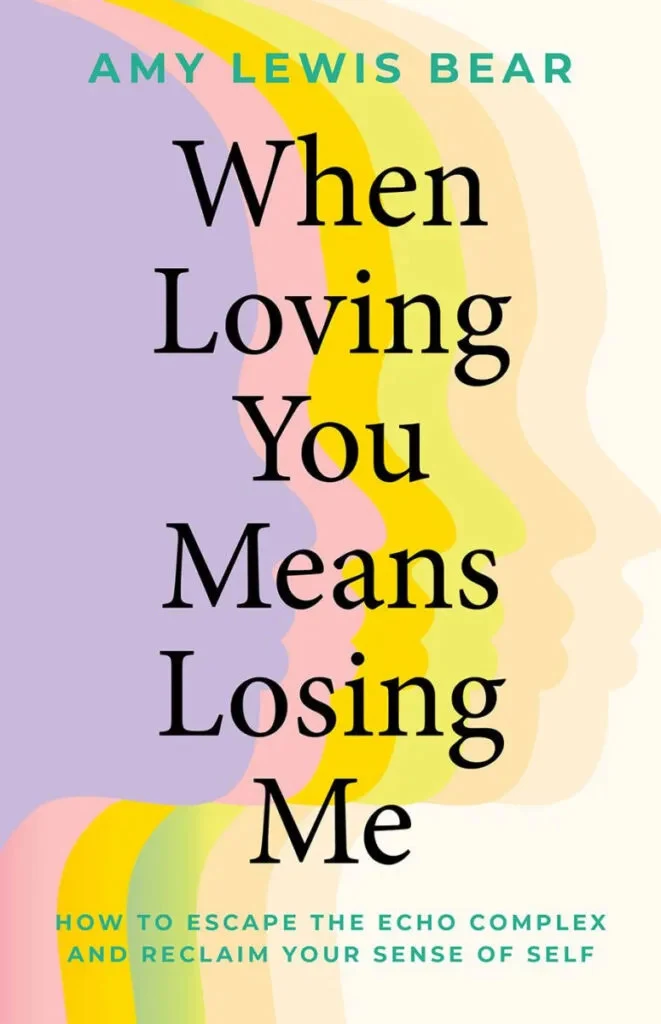
When Loving You Means Losing Me
Discover Amy's book about the Echo Complex and how to reclaim your sense of self.
Learn About the Book →